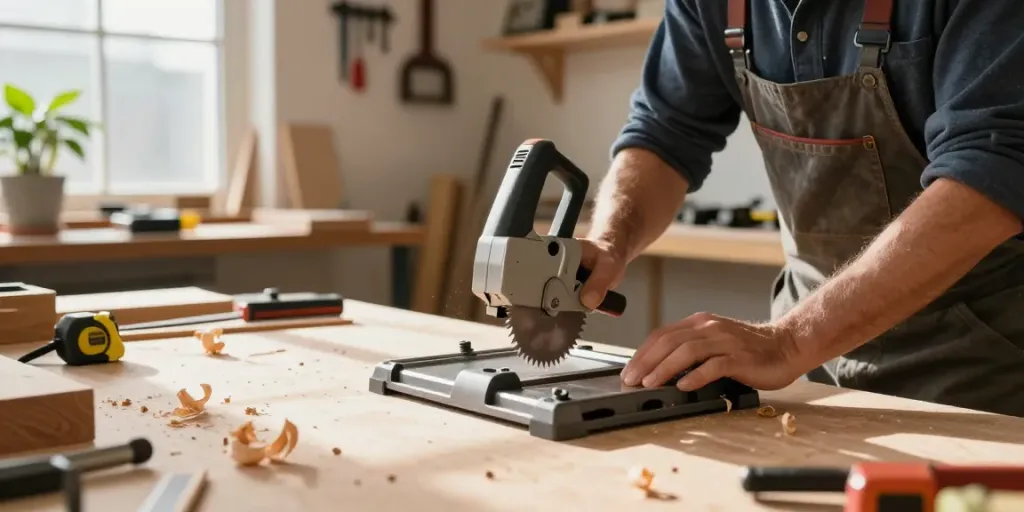
The Essentials of Hand Mitre Saws
Hand mitre saws are indispensable tools for woodworkers, craftsmen, and DIY enthusiasts, providing the precision and versatility needed to make accurate cuts. Whether you are framing a picture, crafting furniture, or undertaking various woodworking projects, understanding the mechanics and capabilities of a hand mitre saw is crucial for achieving professional results. These saws are designed for making angled cuts, which are essential in various applications, from crown molding to miter joints. With several considerations to keep in mind, let’s delve into what a hand mitre saw is and how it can enhance your woodworking tasks. When exploring options, hand mitre saw models offer a wide range of features suited for different needs.
What is a Hand Mitre Saw?
A hand mitre saw, also known as a miter box saw, is a manual tool designed to make precise angled cuts in wood. It typically consists of a fine-toothed saw and a miter box that guides the saw at predetermined angles, usually 45 degrees, 30 degrees, and sometimes even 22.5 degrees. This tool is particularly favored for its simplicity, portability, and the need for minimal setup compared to power saws. Unlike electric mitre saws, hand mitre saws require no electricity, making them perfect for use in remote areas or for those who prefer a more traditional woodworking approach.
Key Features to Look For
When selecting a hand mitre saw, several key features should be taken into account to ensure you are choosing the right tool for your projects:
- Blade Quality: A high-quality, sharp blade will make cleaner cuts and improve the saw's overall performance.
- Angle Accuracy: Look for saws with clear markings and a stable miter box to ensure that your angles are precise.
- Material Compatibility: Consider what materials you’ll be cutting; some saws are designed specifically for hardwood, while others may work best with softer woods.
- Grip and Comfort: A comfortable grip will allow for longer use without discomfort, making it easier to achieve precision.
- Portability: If you are planning to take your saw to various job sites, a lightweight and portable design will be beneficial.
Top Brands and Models in 2026
The market for hand mitre saws continues to evolve, with numerous brands offering innovative features. In 2026, some of the most reputable brands include:
- Stanley: Known for its durable tools, Stanley's hand mitre saws often come equipped with precise angle markers and comfortable grips.
- Irwin: Their models are recognized for great build quality and smooth cutting performance, ideal for detailed woodworking.
- Craftsman: Offers versatile saws for both professionals and hobbyists, with features catering to various cutting needs.
- Bahco: Designed for durability, Bahco saws are known for their ergonomic designs and high-performance blades.
Choosing the Right Hand Mitre Saw for Your Projects
Understanding your specific requirements is crucial when selecting a hand mitre saw. Factors like the types of materials you'll be cutting, the precision needed, and your budget will shape your decision.
Understanding Specific Material Needs
Different woodworking projects call for various types of wood, each requiring a particular approach. Hardwoods like oak and maple may necessitate a high-quality saw with a fine-tooth blade for a cleaner cut, whereas softer woods can often be handled effectively with a more basic model. Additionally, consider the thickness of the materials, as deeper cuts may require a more robust saw with better blade stability.
Size and Weight Considerations
The size and weight of hand mitre saws can significantly impact your efficiency. A lightweight saw is easier to maneuver and transport, making it ideal for frequent job changes. Conversely, a heavier tool may provide stability when cutting thicker pieces, though it could be cumbersome for longer, repetitive tasks. Always assess how mobility will influence your workflow.
Budgeting for Quality Tools
Investing in a hand mitre saw is a balance between your budget and the quality of the tool. While there are budget options available, they may lack the precision and durability of higher-end models. Consider your frequency of use and the types of projects you typically undertake. Setting aside a reasonable budget for quality tools ensures that you won’t need to replace your saw frequently, thus saving money in the long run.
Techniques for Precision Cutting with a Hand Mitre Saw
Mastering your hand mitre saw involves more than just choosing the right model; it's also about the techniques you use. Here are some effective methods for achieving precise cuts.
Setting Up Your Workspace
A well-organized workspace can drastically improve your accuracy when using a hand mitre saw. Ensure that your work surface is level and stable. Using clamps to secure your material can prevent slipping during the cutting process, leading to cleaner and more precise cuts. Adequate lighting is also important; make sure you can clearly see the markings on your wood and the cutting line.
Common Cutting Techniques Explained
To produce accurate miter cuts, follow these steps:
- Align and Secure: Place your wood securely in the miter box, aligning it with the desired angle.
- Use a Steady Hand: Maintain a firm grip on the saw and cut evenly, applying consistent pressure throughout the motion.
- Check Your Angles: Regularly verify your angles with a square or protractor to ensure accuracy.
Tips for Achieving Perfect Angles
Achieving perfect angles takes practice, but the following tips can help improve your precision:
- Practice on Scrap Wood: Before committing to your final piece, make practice cuts on scrap wood to fine-tune your technique.
- Mark Clearly: Use a fine pencil or marking tool to make your cutting lines visible, ensuring you cut along the line.
- Recheck Your Setup: Always confirm that your saw is set to the correct angle before starting the cut.
Maintenance and Care for Your Hand Mitre Saw
Proper maintenance of your hand mitre saw is essential for longevity and performance. Regular care will keep your saw in top shape, allowing for cleaner cuts and greater ease of use.
Cleaning and Lubrication Practices
After each use, ensure that you clean the blade to remove any resin buildup and sawdust. Use a soft cloth or brush to clean the blade. A light application of lubricant on the hinges and moving parts can also prevent rust and ensure smooth operation.
Sharpening Techniques for Ultimate Performance
Keeping the blade sharp is crucial for maintaining the quality of cuts. You can use a file or a dedicated sharpening tool to keep the teeth of the saw in optimal condition. Regularly inspecting and sharpening your blade will enhance cutting efficiency and accuracy.
Storage Tips to Prolong Lifespan
Proper storage of your hand mitre saw can significantly affect its lifespan. Store your saw in a dry place to prevent rust and keep it in its protective case when not in use. Avoid placing heavy objects on top of it to prevent bending or damaging the saw.
Future Trends in Hand Mitre Saws and Woodworking
The woodworking industry is continuously evolving, with new techniques and technologies shaping the landscape. Here are some of the trends to watch for in 2026:
Technological Innovations to Watch
As technology advances, expect to see more hand tools incorporating smart features. Some manufacturers are developing saws with digital angle settings or laser guides, which can help users achieve even greater precision in their cuts.
Emerging Woodworking Techniques
Woodworking techniques are seeing a resurgence, with trends such as hybrid woodworking combining traditional and modern methods. More artisans are embracing hand tools for finer detail work, leading to a renewed focus on high-quality hand mitre saws.
Predictions for the DIY Market in 2026
The DIY market is expected to continue growing, with more individuals taking on home projects and renovations. This trend will likely lead to increased interest in hand tools, including hand mitre saws, as hobbyists and professionals alike seek to improve their skills and capabilities.
What is a handheld miter saw called?
A handheld miter saw is often referred to as a hand mitre saw or miter box saw, emphasizing its manual operation and precision capabilities.
What is the best hand saw for cutting mitres?
The best hand saw for cutting miters is one with a fine tooth count and a strong, stable design. Brands like Stanley and Irwin are often recommended for their quality and performance.
How can I cut miters by hand?
To cut miters by hand, use a hand mitre saw and a miter box. Secure your material within the box, adjust the saw to the desired angle, and make smooth, consistent cuts.
What is a hand miter saw used for?
A hand miter saw is used primarily for making accurate angled cuts in wood, essential for framing, molding, and various woodworking projects.
What are the most common mistakes when using this tool?
Common mistakes include improper alignment of the material, not securing the workpiece, and neglecting to maintain a steady hand. For more information, Mister Worker offers valuable insights. These can lead to inaccurate cuts and wasted materials.